Hello and thanks for stopping by! Mastering Generative AI is no longer just an advantage—it's a necessity for crafting powerful, future-ready business strategies. As an MBA with advanced studies in Applied Statistics and Artificial Intelligence (AI), I define myself as a Business Strategy Consultant. I bring a unique blend of business acumen and cutting-edge AI expertise to drive strategic innovation and transformation. My hands-on experience, acquired directly from renowned AI pioneer Andrew Ng and elite Silicon Valley players such as OpenAI, Google, Meta, Amazon, IBM, CrewAI and several others enables me to stay at the forefront of AI advancements. I excel in bridging the gap between complex AI technologies and practical business needs by wearing two very different and critical hats.
A self-starter and critical thinker, I thrive in diverse environments, leveraging my multilingual skills in English, German, French, Italian, and Spanish to collaborate effectively across global teams. My extensive international experience spans Argentina, Italy, Austria, Turkey, and Switzerland, where I have successfully led B2B order-to-cash management, academic program management, and now work on exciting AI-driven projects. I am deeply committed to lifelong learning and continuous improvement, ensuring that I remain at the cutting edge of AI developments to provide forward-thinking strategies that drive business success in today's increasingly competitive AI-driven digital world.
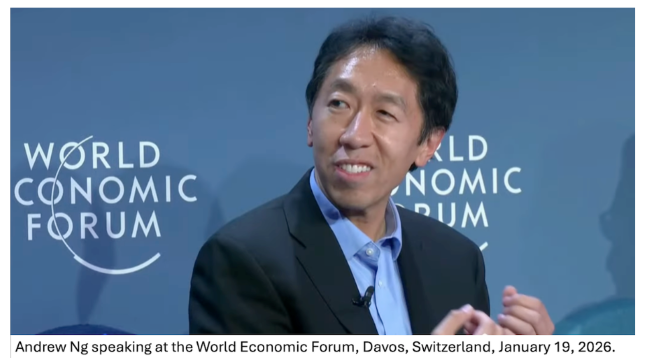
Global AI visionary Andrew Ng was again in Switzerland and took part at the World Economic Forum 2026 in Davos. From there, he wrote a letter telling he's been speaking with many CEOs about how to use AI for growth. A recurring theme of his conversations was that running many experimental, bottom-up AI projects — letting a thousand flowers bloom — has failed to lead to significant payoffs. In Andrew's opinion, bigger gains require workflow redesign: taking a broader, perhaps top-down view of the multiple steps in a process and changing how they work together from end to end. Because making a tranformative change requires taking a broader business or product perspective, not just a technology perspective. Bottom-up innovation matters because the people closest to problems often see solutions first. But scaling such ideas to create transformative impact often requires seeing how AI can transform entire workflows end to end, not just individual steps, and this is where top-down strategic direction and innovation comes to the rescue.
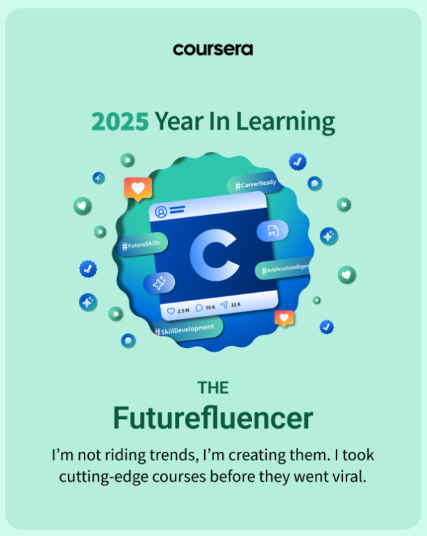
Coursera, a global learning platform founded by worldwide famous AI pioneer Andrew Ng and with over 183 million registered learners*, just named me the Futurefluencer: I'm not riding trends, I create them. In 2025, I took cutting-edge courses before they went viral and broke the Internet. As I took 70 courses before they were trending, Coursera means that, clearly, I'm the new algorithm! 1,267,059 learners followed my lead in course enrolments and maybe they would feature a filter named after me. I also acquired 58 new credentials with a thought‑leader streak: 13 weeks straight of leveling up. Consistency really is the new currency.
*according to their 2025 Learner Outcomes Report.
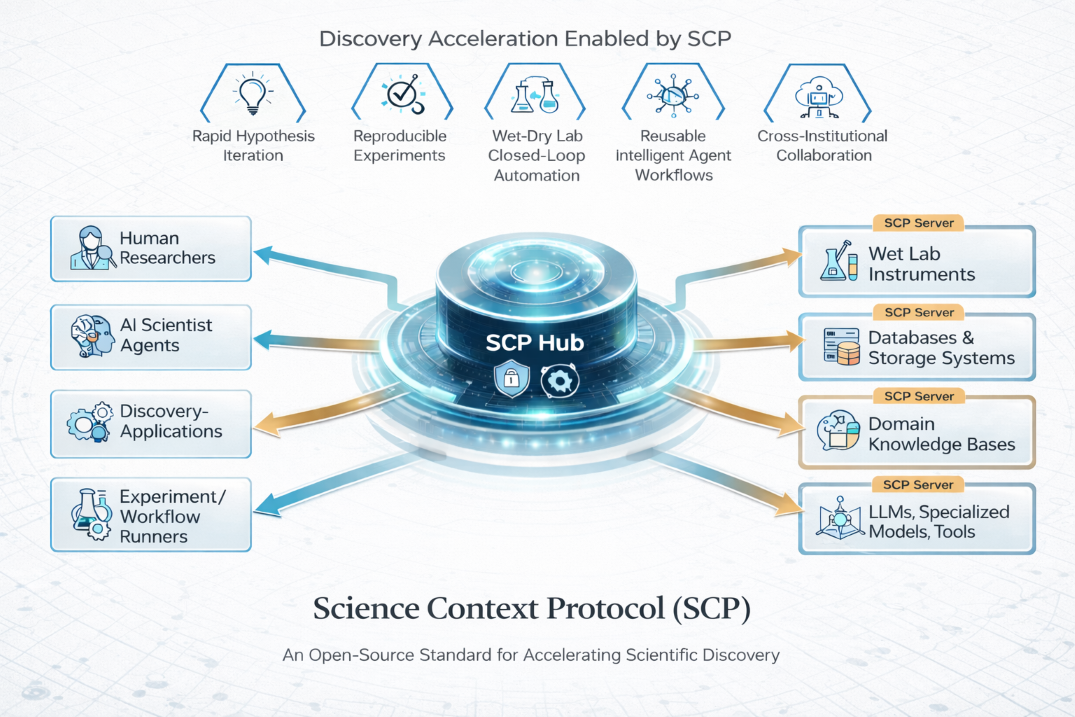
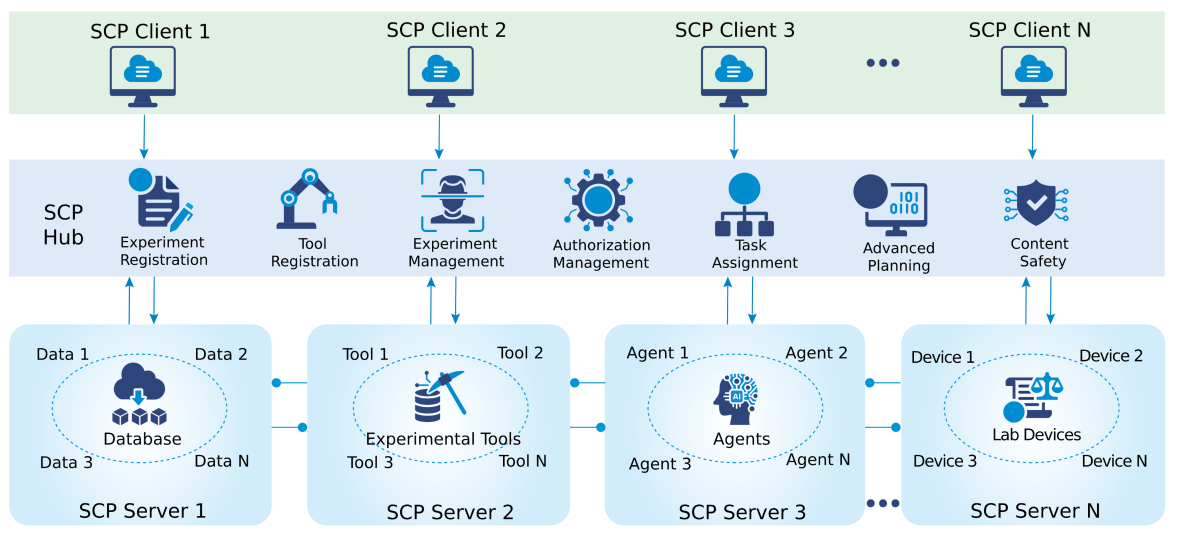
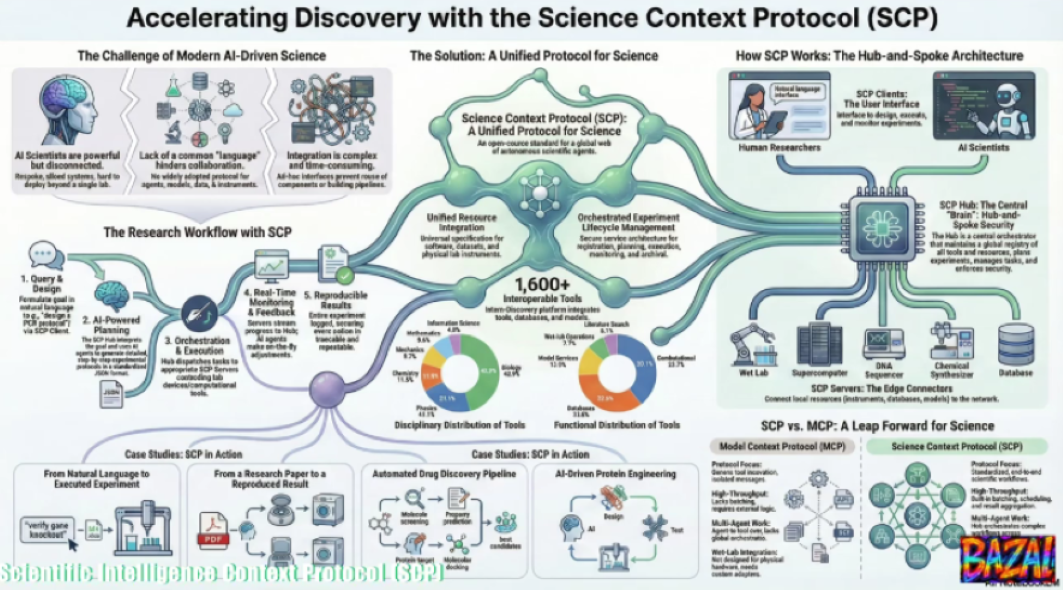
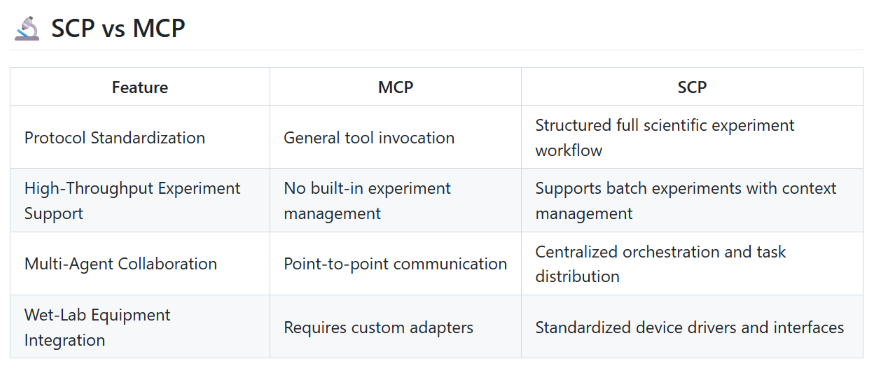
Developed by Shanghai Artificial Intelligence Laboratory, SCP aims to promote cross-institution, cross-platform scientific intelligence collaboration. According to this scientific paper* published last November, the Science Context Protocol (SCP) is an open-source standard specifically designed to accelerate scientific discovery. By establishing a standardized connectivity framework, it enables efficient interaction between discovery-oriented applications and external research as sets—such as laboratory instruments, databases, knowledge repositories, large language models (LLMs), specialized computational models, tools, and APIs. SCP aims to foster a hybrid dry-wet, multi-institution collaborative research paradigm and serve as a novel support platform to enable the collaborative evolution of researchers, research tools, and research subjects in a new era of multi-agent-driven scientific investigation and discovery.

In China, AI isn’t simply a tool—it’s a national priority. China has made massive strides in AI integrated healthcare. In 2024, Tsinghua University made headlines with the launch of the world’s first AI hospital, Agent Hospital—a concept that blends virtual AI agents, clinical care, and real-world pilot deployment into one tightly integrated system. Now that vision is being refined, tested, and expanded across China in what might be one of the most ambitious attempts to reimagine modern healthcare.
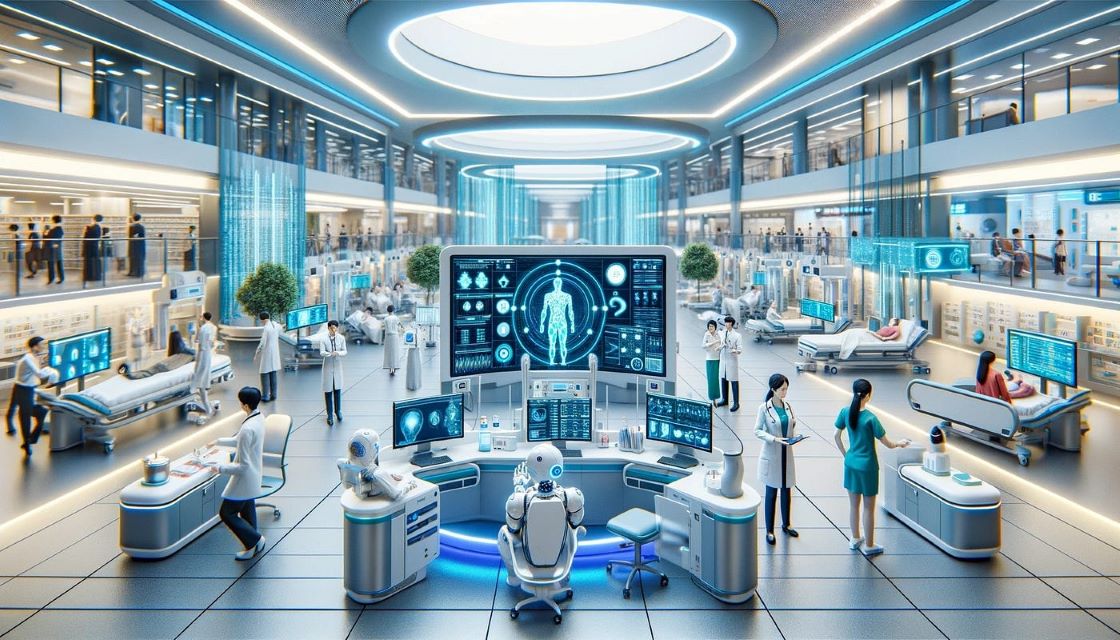
Tsinghua’s Agent Hospital was made up of 14 AI doctors upon launch. The system features 42 AI doctors across 21 clinical specialties, covering over 300 diseases. Furthermore, each specialty has trained its virtual agents on over ten common conditions. And finally, by creating a pool of half a million synthetic patient cases to test and evolve diagnostic accuracy. From ophthalmology and respiratory medicine to radiological diagnostics, AI doctors take on tasks traditionally handled by their human counterparts—streamlining workflows, offering real-time recommendations, and lowering the barrier to care. These AI doctors can treat 10,000 patients with 93% accuracy in a matter of days, a feat that would take real doctors years to complete. Furthermore, these doctors aren’t chatbots; they’re AI systems capable of autonomously working with AI generated patients in a fully-fledged closed-loop ecosystem. Find some interesting videos and articles here:
The world’s first AI Hospital, developed in China, is transforming healthcare, highlighting Asia’s position in healthcare innovation.Those that produce GenAI technology are increasingly sounding alarms that everyone should take seriously. It all began with Anthropic „dropping a bomb“ last May, saying AI could wipe out roughly 50% of all entry-level white-collar jobs in the next 5 years. Now it's OpenAI's turn in July, declaring that artificial intelligence is now so adept at mimicking human voices it could spark a global “fraud crisis” in banking “very, very soon”. Generative AI is growing so fast and is so incredibly powerful, that the very same CEOs are warning those who don't seem to grasp what's going on yet. This is a serious matter in the USA, and it's critical to be more than ready to face the challenges this new technology poses – and the same situation will soon start materializing in Europe as well. You can watch the video, read the articles, and reflect on what you can do to prepare for this new, quite challenging era.
Anthropic CEO Dario Amodei forecasted last May that AI could wipe out roughly 50% of all entry-level white-collar jobs. The cuts could come within five years, he said, causing unemployment to spike as high as 20%. He urged consumers and lawmakers to prepare now to protect the nation. “Most of them are unaware that this is about to happen,” Amodei said. “It sounds crazy, and people just don’t believe it… We, as the producers of this technology, have a duty and an obligation to be honest about what is coming.”
CEO Dario Amodei’s CNN interview", CNN, 11-min videoThen, OpenAI CEO Sam Altman declares in July that artificial intelligence is now so adept at mimicking human voices it could spark a global “fraud crisis” in banking “very, very soon.” His remarks, delivered at a Federal Reserve conference in Washington DC, underscored how people will have to change fundamental things about the way they interact because of the relentless pace of advancements in this technology. To Altman’s point, banks have, for more than a decade, relied on voice authentication: Clients repeat a custom phrase, their “voiceprint,” to access accounts. But as generative AI has advanced, so have the tools available to would-be fraudsters. Altman described a near future where attackers will be able to call a bank, pass every test, and move money freely, all by simulating a customer’s voice. The OpenAI chief described the scenario that keeps him up at night: a large-scale, coordinated attack where AI-generated voices rapidly defeat outdated security measures across the world’s biggest banks. The threat isn’t limited to voice. Altman gave a glimpse into the next frontier: “video clones”—AI capable of mimicking an individual’s appearance and speech—heightening the stakes for personal security and institutional trust. “Right now it is a voice call. Soon it is going to be a video FaceTime. It will be indistinguishable from reality,” he said.
Apart from what Silicon Valley has to say, the reality of the job market over there is already reflecting their words. From the supply side, new graduates are struggling to find jobs and they’re being locked out of the labor market because of AI.
Job outlook for new gradsAnd from the corporate world side: CEOs look to AI to replace workers
According to a newsletter received from Andrew Ng (DeepLearning.AI, Stanford University, amond others) a bit everywhere in the US, leaders at some of the biggest U.S. corporations say they’re preparing for AI to eliminate many jobs within their organizations. Although several studies in recent years have shown that AI is likely to increase, not reduce, the number of jobs, these are the latest prospects:
Amazon CEO Andy Jassy wrote in a memo to employees that generative AI and AI agents within the next few years would enable the company to reduce its corporate workforce. Similarly, the CEOs of Bank of America, IBM, Shopify, and Williams-Sonoma have said they are embracing AI and expect to hire fewer workers as a result. Worldwide, around 40 percent of employers expect to downsize their workforce, largely due to the rise of AI, according to a survey by the World Economic Forum.
How it works:
Many business leaders skirt the topic of job losses when they describe the impact of AI on their companies, but these executives put the technology front and center in their plans to downsize.
Amazon, which employs roughly 1.5 million people, is investing in AI “quite expansively,” Jassy’s memo notes. “We will need fewer people doing some of the jobs that are being done today, and more people doing other types of jobs. It’s hard to know exactly where this nets out over time, but in the next few years, we expect that this will reduce our total corporate workforce,” he wrote.
Bank of America CEO Brian Moynihan told Bloomberg that widespread use of AI in banking would lead to a smaller workforce industry-wide.
At IBM, AI agents have replaced hundreds of workers in the human resources department, CEO Arvind Krisna told The Wall Street Journal. Nonetheless, total employment has gone up at the company, he said.
Shopify CEO Tobias Lütke in April instructed employees, before they request new hires, to explain why AI isn’t sufficient to help them meet their goals. While this policy doesn’t inevitably lead to fewer jobs, it exerts pressure in that direction.
Williams-Sonoma CEO Laura Alber told investors on an earnings call that the retailer planned to use AI to avoid adding new employees. This year, the company will “focus on using AI to offset headcount growth,” she said.
Just draw your own conclusions!
Stanford University, Human-Centered Artificial Intelligence. It’s no longer science fiction: Your personality, your beliefs, quirks, and decision-making patterns can be captured and brought to life inside an artificial mind. The fascinating origins of AI Multi-Agent systems. Here's a summary for you:
It all began with Computer Science graduate students at Stanford University and Google researchers giving little animated humans scurrying around in a fictional landscape of homes and workplaces a short biography consisting of a name, age, job, family, interests, and a few habits, and let them loose. After engineering these 25 generative AI agents to move around in a SIMS-like landscape called Smallville, they allowed the characters to interact for two days. Instead of characters’ behavior being programmed by a coder, the agents then relied on a large language model (like ChatGPT) to generate their actions in accordance with their prescribed biographies. Next, they interviewed the agents, probing their ability to remember past events, reflect on them, and make appropriate plans. The result: The full architecture created the most believably humanlike behavior: A Valentine’s party was planned and attended; one character told others he was running for office, which they remembered and discussed among themselves; and another character invited someone on a date.
Researchers envisioned the agents being used to simulate how large groups of people behave in various social contexts, a method called social prototyping. For example, researchers could study how people in an online forum are likely to respond to a particular anti-disinformation intervention or to various pandemic responses. If designers see some kind of bad behavior arise when they simulate a large online community of generative agents, they could then simulate various interventions, such as a content moderation strategy or a community rule, to see what works. Similarly, to test how some react to product launches, or respond to major shocks.
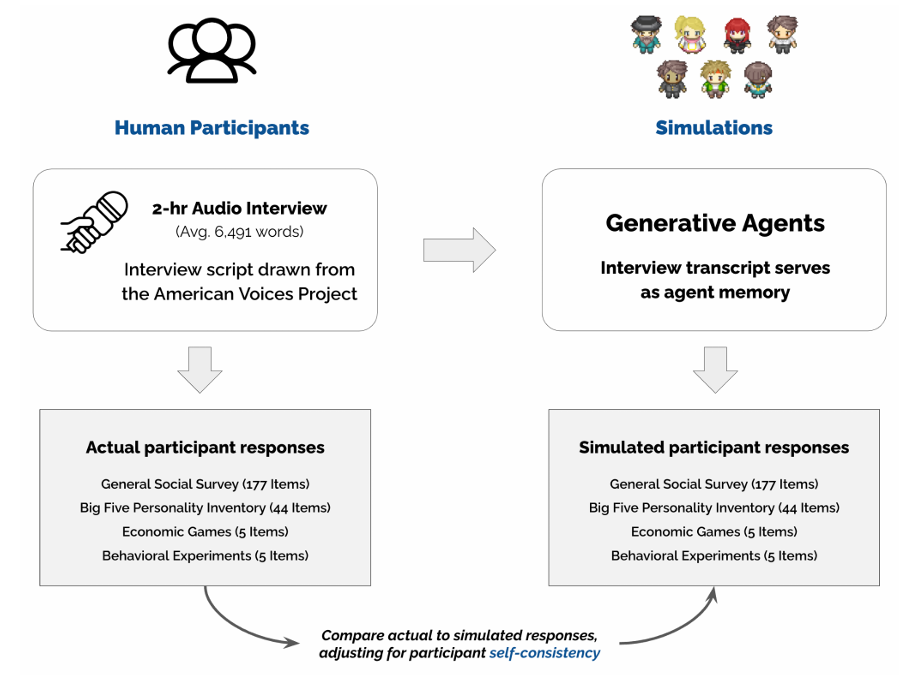
In the meantime, Stanford researchers have simulated the personalities of 1,052 individuals with impressive accuracy using interviews and a large language model (LLM). These generative AI virtual agents of real people exhibit personas that answer questions and make decisions in ways that mirror their real-life counterparts. While this work might provoke entirely reasonable concerns about deepfake videos, co-option of individuals’ likenesses, and a world where people have conversations with AI versions of their friends or relatives, the value of these agents is very powerful: to create a realistic population of generative agents to use as a testbed to study impacts of policy proposals, from solving the climate crisis to preventing the next global pandemic, possibilities are limitless, and not only in social sciences, but also in business.
As researchers wanted their simulations to be accurate, they needed to create a large population of agents with true-life backstories and representative of the U.S. population in terms of age, race, gender, ethnicity, education level, and political ideology. The team recruited and interviewed 1,052 study participants who met those criteria. A 2-hour interview asked participants the story of their lives and their views on controversial issues, with follow-up questions based on the individuals’ previous answers. Ultimately, the interview transcripts went into the computer memory for each of 1,052 generative agents.
In addition, the team asked an LLM to review the interview transcript and evaluate certain aspects of each interviewee’s personality from the perspective of a particular type of expert such as a social psychologist, economist, or sociologist. To determine whether the study participants’ views and personalities had been accurately captured by the generative agents, both the participants and the agents were tasked to answer questions about their opinions, behaviors, and attitudes using four different tests. The agents’ accuracy was impressive: 85%! Think of the many societal or business problems we’re failing to address right now that require very complex planning and reasoning about contingencies that could be made easier with this testbed. The potential benefit is indeed game changing!
If you're interested in the details, check these two articles: "Computational Agents Exhibit Believable Humanlike Behavior" (September 2023) and "AI Agents Simulate 1,052 Individuals’ Personalities with Impressive Accuracy" (January 2025).
Last April, I've finished a course concerning the European Union's Artificial Intelligence Act (AI Act; in German: Verordnung über künstliche Intelligenz - KI‑Verordnung oder KI‑VO). This regulation is a testimony of how Generative AI turned out to be a real game-changer and disrupted everything known so far. Quite restrictive, the act tackles critical aspects of AI development and use and sets a baseline for ethical building and responsible consumption. In a world where extremely powerful technology is becoming increasingly accessible to just anybody, regardless of their know-how level and morals, accountability, competence, and ethics are becoming more important than ever.
The Regulation (EU) 2024/1689 of the European Parliament and of the Council of 13 June 2024 laying down harmonised rules on Artificial Intelligence will apply from 2 August 2026 with some exceptions. The AI Act applies in the European Union. In addition, the AI Act also applies in non-EU countries (such as Switzerland) for providers or deployers of AI systems that place them on the market in the EU or if the output produced by the AI system is used in the EU.
Key aspects of this training concern: AI literacy, Human oversight (what the Generative AI community calls "human-in-the-loop"), AI systems risk classification, Compliance
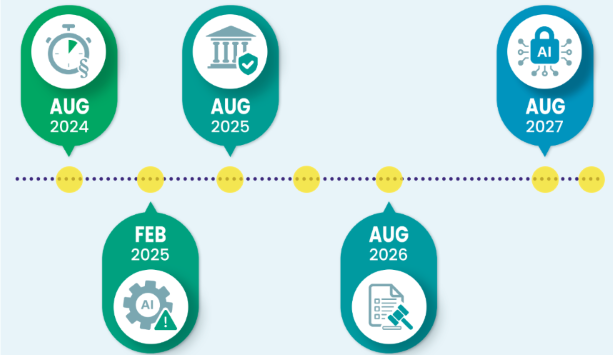
Key milestones: August 2024: The AI Act enters into force on 1 August 2024. February 2025: Application: Prohibitions on certain AI systems and requirements on AI literacy start to apply (Chapter 1 and Chapter 2, Art. 5 AI Act). August 2025: Classification of general-purpose AI models as general-purpose AI models with systemic risk apply (Art. 51 AI Act). Application: The following rules start to apply: Notified bodies (Chapter III, Section 4), GPAI models (Chapter V), Governance (Chapter VII), Confidentiality (Article 78), Penalties (Articles 99 and 100) August 2026: Harmonised rules on Artificial Intelligence will apply as of 2 August 2026. Application: The remainder of the AI Act starts to apply, except Article 6(1). This includes Classification rules for high-risk AI systems (Art. 6 AI Act). August 2027: The AI Act enters fully into force and non-compliant AI models can be taken out of the market. Application: Article 6(1) and the corresponding obligations in the Regulation start to apply. (Source: https://artificialintelligenceact.eu/implementation-timeline/)
I've recently read somewhere that over the past few years, AI—specifically OpenAI—has transformed what was once an interesting toy into a force that’s reshaping industries and jobs in a non-linear way to introduce a new economic paradigm, known as the agent economy or A2A. In the A2A economy, AI agents from different organizations collaborate, negotiate, manage operations, and transact autonomously on behalf of humans, businesses, and consumers.
To remain competitive in today's AI-driven economy means moving from where you are now, to having your first AI agent, and then to implementing an entire AI workforce. It's poised to automate a range of complex tasks once reserved for humans. What is this new AI workforce? It's a team of specialized AI agents that work together, using tools and real-time data to execute complex tasks as part of a multi-agent system. These agents work autonomously or collaboratively with humans (i.e. human-in-the-loop) to streamline operations and automate workflows, promising a new standard of efficiency, productivity, and innovation for business leaders.
Integrating AI into the workforce isn’t just a technological upgrade—it’s a transformational shift in how businesses operate. Due to its strategic nature and its potential for job and decision-making displacement, coupled with increased efficiency due to huge cost-cutting measures at all levels of an organization, implementing an AI workforce requires serious change management driven directly by the CEO, who might be the only one really interested in saving any money at all (including management salaries).
A key consideration that enterprises should keep in mind as they consider AI (multi)agentic workflows is integration complexity and infrastructure optimization: Setting up and managing AI agents within a complex business environment can be intricate, requiring careful planning as well as cutting-edge know-how. This involves advanced, specialized technical expertise in Generative AI and Machine Learning algorithms and their (new) tech stack, while also balancing infrastructure, performance, and cost. And for that experts need to be permanently on top of the latest advancements, which now are happening almost every week! Gone is the time when someone was viewed as an expert because s/he took one course or completed one program last year or holds a position in a company long enough to be called "senior", to then sleep peacefully on their laurels and guide a team or trying to inspire others with outdated know-how. Today's pace is so incredibly fast that the know-how you had last month may already be outdated! Good news for those eager to continuously learn and upskill; bad news for those who don't keep up - you run the risk of being replaced by an AI agent :)
Global AI visionary Andrew Ng was in Switzerland! He took part at the World Economic Forum 2025 in Davos and already gave important advice to all those worried about their jobs, AI replacing humans, or companies disappearing because they don't catch up with what they should. It's true, the fact that Silicon Valley is already launching several products capable of PhD-level work on its own can make some see the future as threatening. But that needn't be. I suggest you pay close attention to what Andrew has to say.
During an interview at the WEF, Andrew declared that, “to anyone worried about your job, I say, learn to code, take control of it, because in the future the ability to direct computers to do exactly what you want will be one of the most important skills... and so I don't think AI will replace people, but people that know how to use AI will replace people that don't”. He also talks about recent US regulations concerning AI and access to critical technology and how that's a new game changer.
Andrew Ng at the WEF 2025 in DavosIn a more recent fireside chat hosted by Harrison Chase, CEO and co-founder of LangChain, Andrew explains the challenge businesses face in breaking down existing processes into complex autonomous systems. He also unveils the two key predictors of AI startup success: speed and deep technical knowledge. Andrew explains why everyone should learn to code in the AI era and his perspective on "vibe coding" and why AI coding assistance creates more developers, not fewer.
Andrew Ng and Harrison ChaseThis IBM certificate is based on the PromBOK, “The standard for program management and A guide to the project management body of knowledge”, 5th edition, Project Management Institute.
What do Program Managers do? They oversee multiple related projects to achieve strategic business objectives. New skills include: program management framework and lifecycle, strategic planning, and execution, evaluating benefits realization and applying risk management strategies, including stakeholder engagement and governance.
Hands-on projects include: Creating a comprehensive program management plan that aligns with strategic objectives, integrating program components to achieve organizational goals, applying risk management strategies to minimize program uncertainties, developing business cases and a benefits management plans, creating program roadmaps, Communications Management Plans, Stakeholder Registers, Retrospectives, Resource Budget Management Plans, Resource Breakdown Structures (RBS) and more.
Keywords: PMI Code of Conduct, Program lifecycle (Definition, Delivery, and Closure), Program Change Management, Stakeholder Management, Program Collaboration, Program Resource Management, Project Management Triangle, Program Planning, Program Portfolio.
As a hands-on project to obtain the certificate, I developed program related documents for a company wanting to leverage state-of-the-art IT and AI solutions within its Corporate Digital Transformation initiative. The four projects included in the initiative tackled the following areas: 1. AI-driven recruitment workflow optimization; 2. Cloud performance enhancement; 3. CRM integration and automation improvement; 4. Cybersecurity enhancement. In this context, I created key program management documents from initiation to closure for their recent Integrated Process Improvement Program (IPIP), which targets process inefficiencies emerged after the completion of the four initial projects mentioned above. The IPIP focused on improving workflows, system integrations, and automation capabilities to ensure that the expected benefits of AI-driven tools, cloud migration, and enhanced cybersecurity are fully realized. Documents prepared include: Program charter, program roadmap, program communications plan, program risk register, and program closure report.
This IBM certificate is based on the ProdBOK, “The standard for project management and A guide to the project management body of knowledge”, Project Management Institute.
What do AI Product Managers do? An AI product manager oversees the planning, development, launch, and success of products/solutions powered by artificial intelligence (AI), machine learning, and deep learning technologies within a company.
2024 has been the year of cutting-edge Generative AI know-how acquisition directly gleaned from worldwide renowned AI leader Andrew Ng (Stanford University, DeepLearning.AI, Google Brain, and more). In 2024, Andrew has built a network of Silicon Valley pioneer partners at OpenAI, Google, Meta, HuggingFace, Amazon Web Services (AWS), Qualcomm, Mistral AI, MongoDB, Guardrails.AI, Qdrant, Weaviate, Haystack, Pinecone, LlamaIndex, crewAI, Intel, WhyLabs, Upstage AI and several others as a vast Generative AI community allowing for free training and the use of their latest released products: multimodal/multilingual models, vector databases, multi-agentic AI systems, AI guardrails, safety and evaluation tools etc. Examples include OpenAI's multimodal GPT 4.0, o1 and o1 mini and their recently beta released Canvas product, Meta's multimodal Llama 3.2, Google's multimodal Gemini Pro and Gemma 2, Mistral's 7B, Mixtral 8x7B, Mixtral 8x22B, Small, Medium, and Large, Upstage's Solar family of models for Asian languages, Anthropic's Claude 3, Amazon's Titan, vector databases such as MongoDB, Weaviate, Pinecode, Haystack, LlamaIndex, multi-agentic AI frameworks such as CrewAI, Amazon Bedrock, Llama Stack and AutoGen, etc.. This incredible offering made it possible for me to learn directly from the best developers and researchers in Silicon Valley, working alongside with them in the development of plentiful real use cases using their state-of-the-art technologies – for free. A huge THANK YOU to Andrew and this amazing AI community that made such an experience possible!
GenAI Applications, Retrieval Augmented Generation (RAG), Vector Databases, Embeddings, Generative Models, MultiModal, Prompt Engineering, Agents, AI Frameworks, Chatbots, Computer Vision, Search and Retrieval, AI Safety, Diffusion Models, Evaluation and Monitoring, Fine-Tuning, Natural Language Processing (NLP), Task Automation, Transformers, AI in Software Development, Anomaly Detection, Data Processing, Document Processing, LLMOps, Compression and Quantization, Deep Learning, Event-Driven AI, On-Device AI
Who said that knowledge is power? Of course, Silicon Valley, declaring that AI is the new electricity that transforms and improves all areas in human life. Nowadays, if you want your business to survive or - even better - thrive and be profitable, you need a strong competitive advantage and AI is THE key. As PwC put it recently, "In AI, the only constant is change, so embrace a culture of perpetual innovation". Further, "Embracing agentic AI is not just an option, but a strategic imperative to stay ahead in an increasingly competitive and AI-driven world. The future belongs to those who prepare for it today, so make AI the cornerstone of your strategic arsenal." So, what can Generative AI do for you? Just read on and prepare for a "wow" moment.
What is a Multi-Agentic AI workflow? It's a cutting-edge framework for orchestrating role-playing, autonomous AI agents that collaborate as a team to solve business problems. Imagine you are the CEO of a start-up company or a business manager on a very tight budget, so you want AI to provide you with a 'virtual' team of highly skilled individuals. You can even expect a manager who supervises them, delegates tasks, and coordinates that team, all done autonomously.
How is a Multi-Agentic AI workflow different from simple Agentic AI?
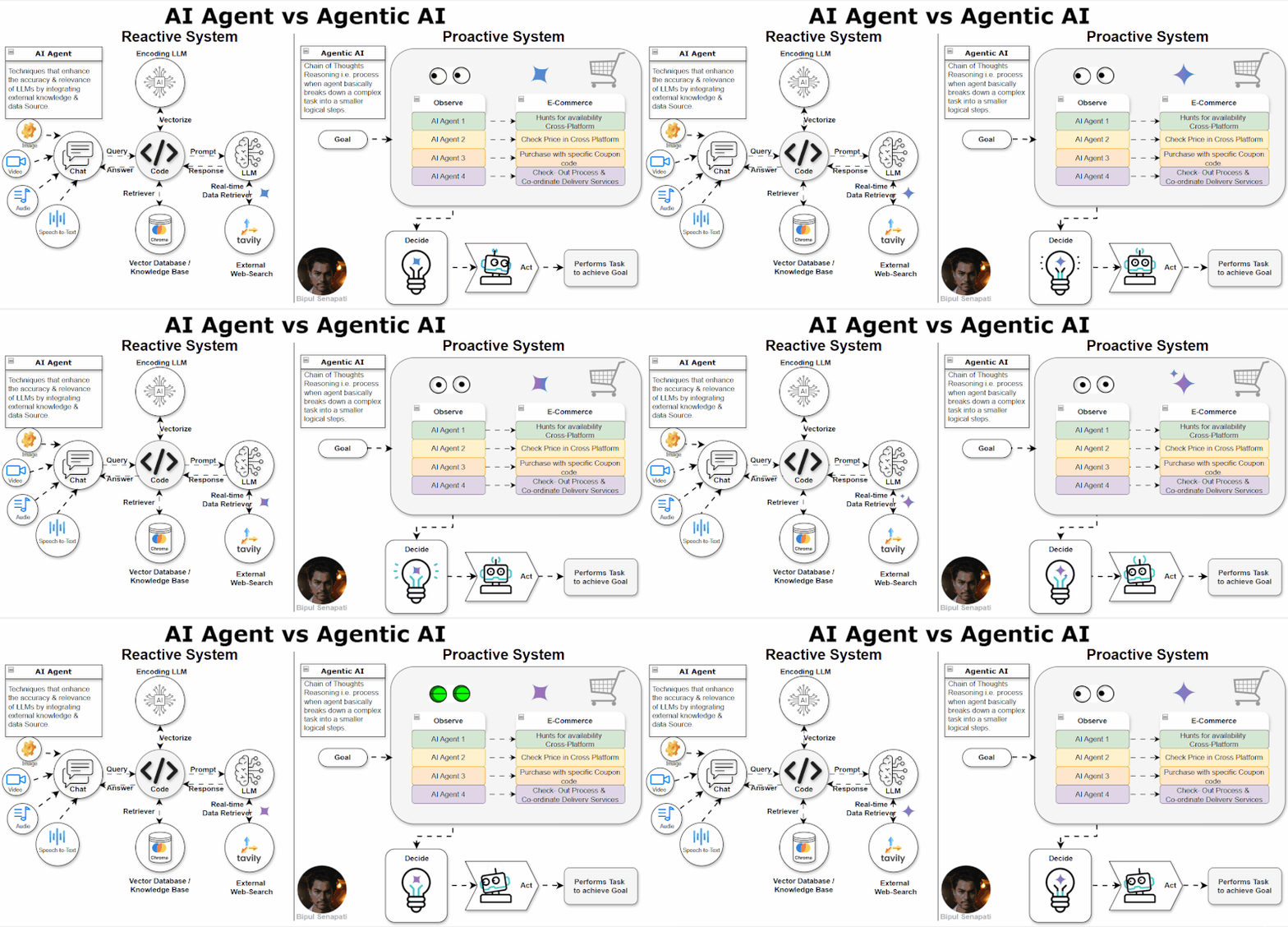
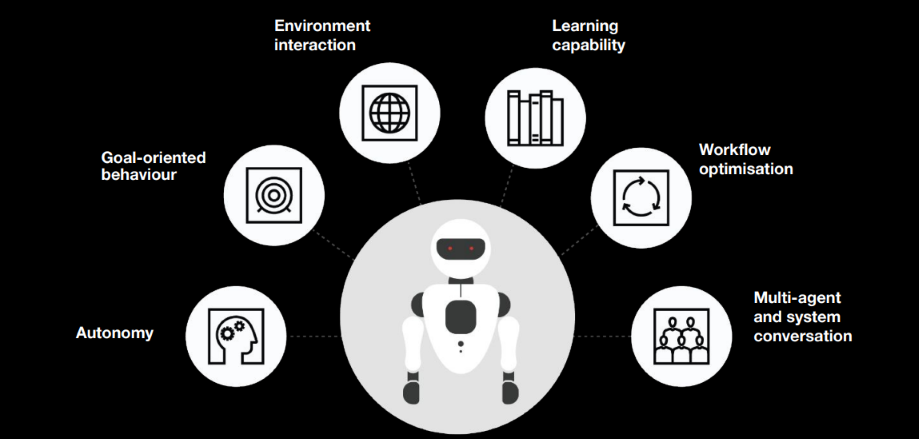
Thanks to cutting-edge AI technology launched earlier this year, I've been working on several practical use cases including autonomous AI agents teams that produce in a matter of minutes what a group of real people would take days or weeks to accomplish. Characteristics of Multi-Agentic AI frameworks (source: PwC Middle East):
Now to a hands-on example: Imagine this group of 4 people in a typical marketing use case. Pay attention to their responsibilities, tools, and the teamwork dynamics. Guess how long they need to accomplish all the tasks needed here, and then compound that for several projects (perhaps several days or weeks). Just for fun, fancy a rough estimate of their salaries as well.
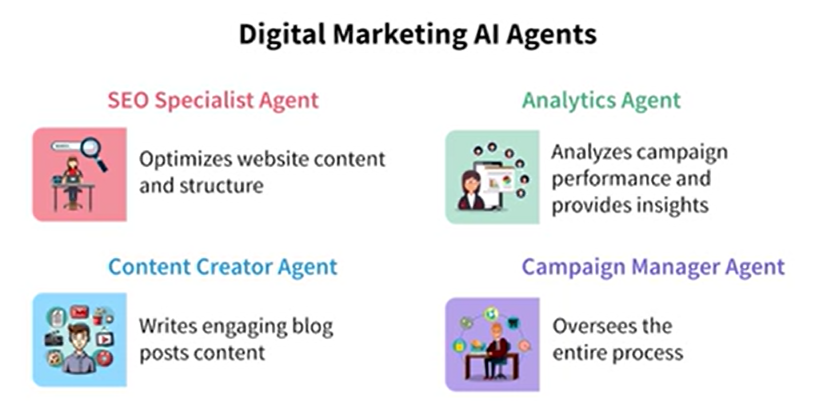
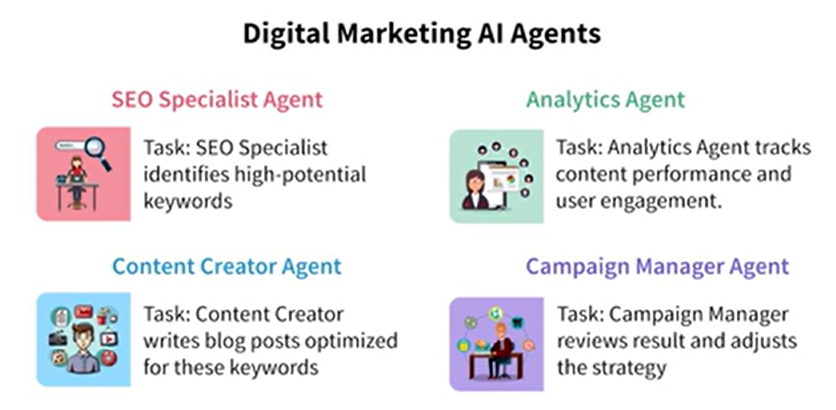
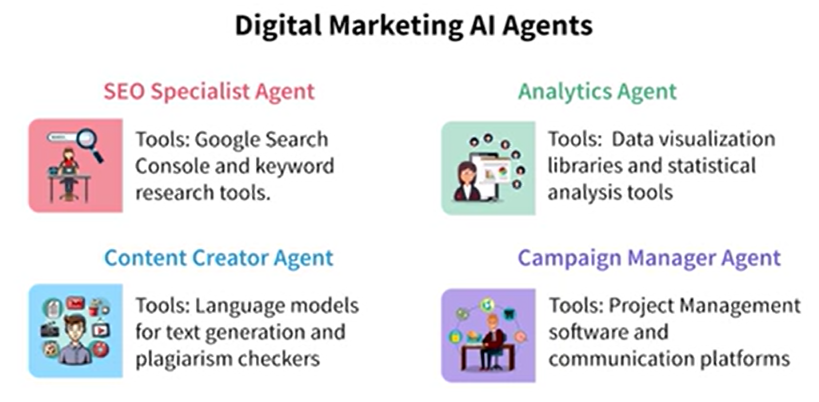
Now, imagine this group of AI agents in the same marketing use case.
Any guess of how long they need to fulfill the very same responsibilities? Less than 1 minute. Yes! and in a completely autonomous fashion. Any idea of how much they cost? Less than $1 (roughly estimated cost of accessing LLMs to solve the tasks). And this for the same deliverables, or even better quality ones. Add to this incredible performance the fact that you can be sure that they don't run into any interpersonal conflicts, they won't fall sick, and they can work 24/7... Amazing, isn't it? Well, now you understand why multi-agent AI systems are one of the most promising revolutions in the AI landscape.
According to an article published by PwC Middle East called “Agentic AI – the new frontier in GenAI”, GenAI is poised to make a significant economic impact, with estimates suggesting it could contribute between US$2.6 trillion and US$4.4 trillion annually to global GDP by 2030 across various sectors. So, what are you waiting for? Set industry benchmarks and gain first-mover market advantage!
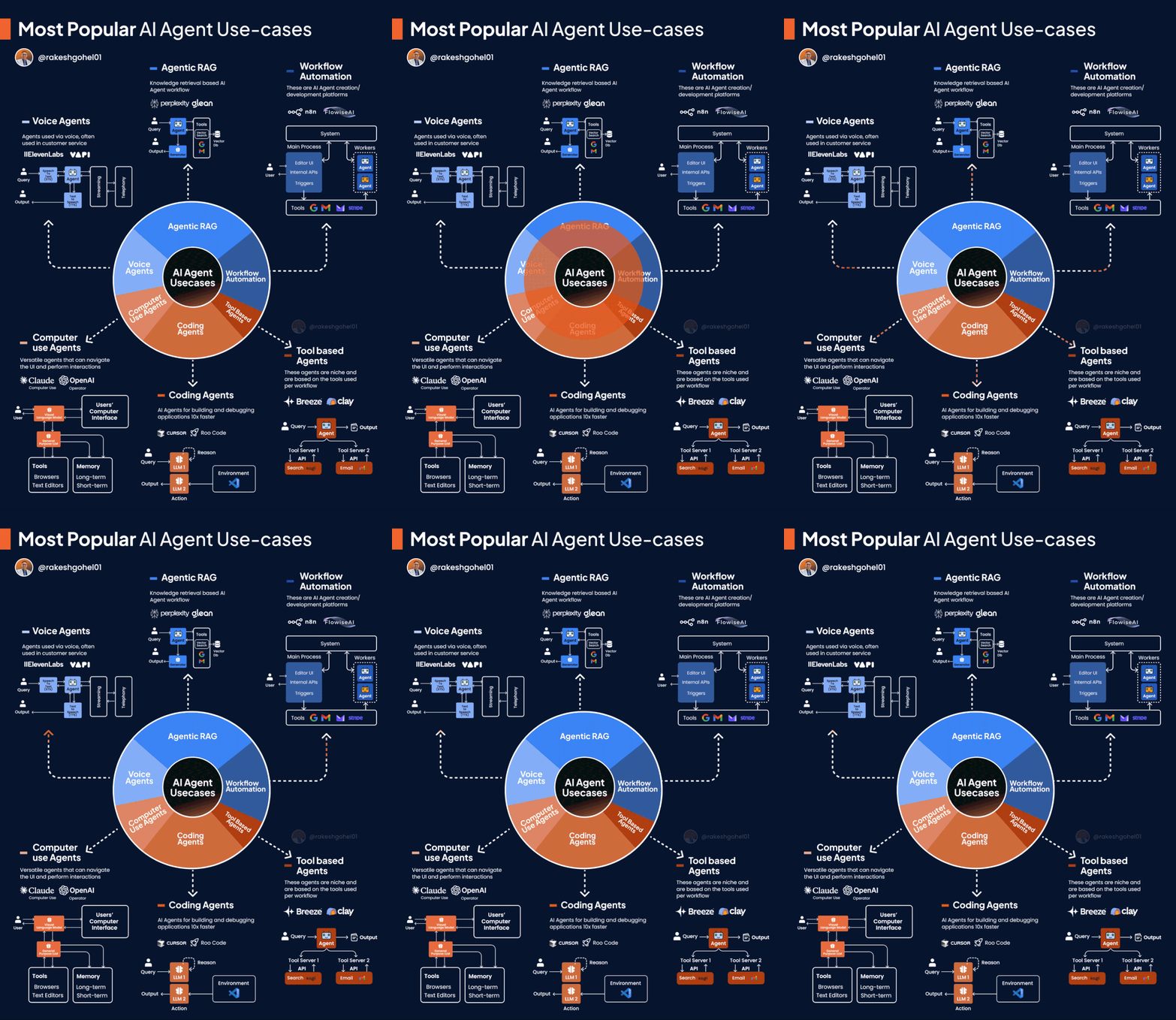
In the same vein, Multi-Agentic AI or multi-agent AI systems/workflows can help you automate several common business processes such as: tailor documents and prepare meeting agendas, summarize meetings by preparing minutes from audio recordings, research, write and edit articles, automate customer support inquiries, conduct customer outreach campaigns, plan and execute events, perform financial analysis for you, etc. Some other use cases I've been working on: Automated project planning, breaking down projects, estimating time, and allocating resources, then generating progress reports that interact with project management tools; Automating a sales pipeline that gets and enriches lead information, scores it, and drafts personalized emails for qualified leads; Automating a customer support analysis pipeline that creates issue reports, visualizations, and makes suggestions for improvements; Automating a content creation agentic team that researches online, generates content, refines it, and creates social media posts.
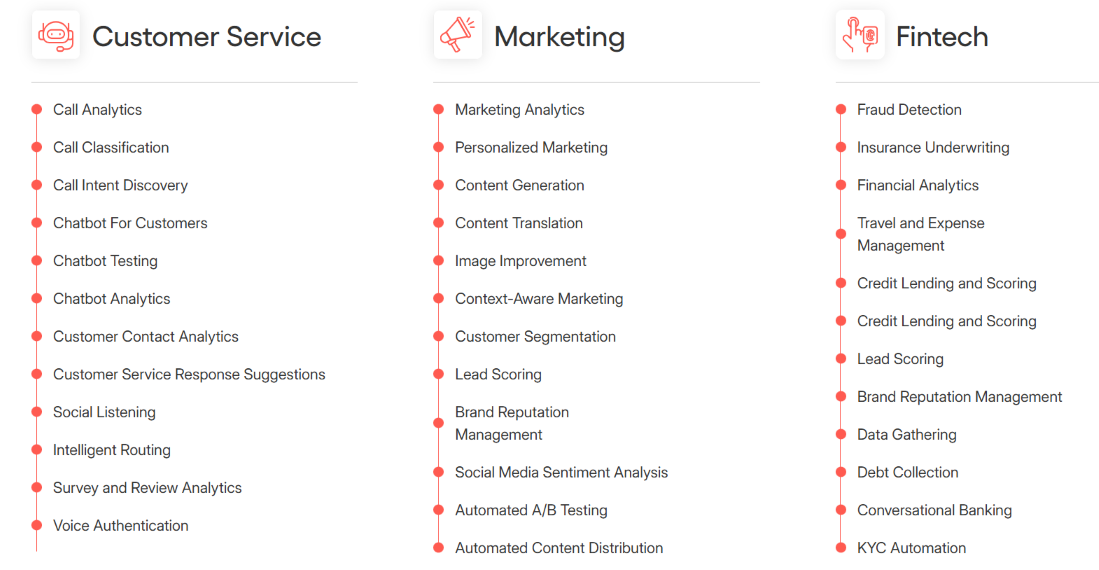
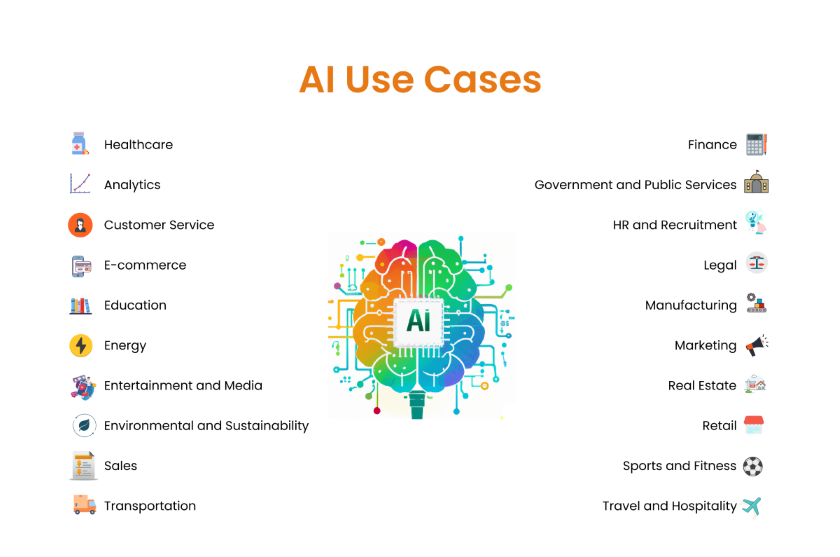
This technology is not just amazing, but also extremely cost-effective: yes, that's right, absolutely awesome! Have a look at the most common use cases:
Silicon Valley (California, USA) is a global hub for technological innovation - where the future is being built - and home to industry titans like OpenAI and Google. According to the QS World University Rankings 2025 of top global universities, MIT (Massachusetts Institute of Technology) is the absolute leader as number 1, followed closely by Harvard University (#4), and Stanford University (#6). Switzerland's ETH Zürich ranks currently #7.
Already in 2013, he was named to the TIME 100 list of the world's most influential people: Renown global AI pioneer Andrew Ng, Professor at Stanford University (California). In 2012 he co-founded Coursera, now one of the largest online learning platforms in the world, with 162 million registered learners as of September 30, 2024. Andrew is also the founder of DeepLearning.AI, was the founding lead of Google Brain, and also former Chief Scientist at Baidu. In 2024, Andrew Ng expanded his influence in the tech industry by joining Amazon’s Board of Directors, a role that underscores his continued impact and leadership in the Artificial Intelligence arena. During one of his courses Andrew once said that if you have the right know-how, you can achieve in 1 day what others can't achieve in 6 months – it's that simple. In order to produce high quality, top performance work you need to possess know-how – and not just any, but the right one. Get acquainted with him here:
Here's the link to a conference last March where he presented his views on Agentic AI (15-min video)
Prof. Ng during the conference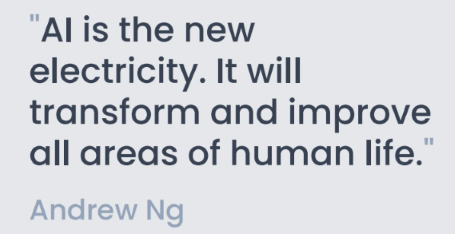
"Why?", you may wonder, "Isn't it enough with traditional AI like Machine Learning?"
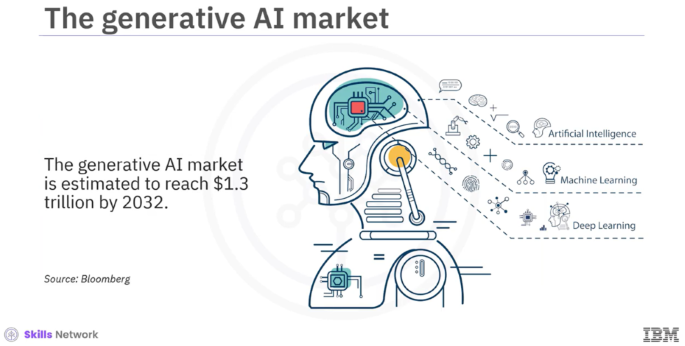
(source: IBM Corp.)
Sure, it's a huge market, but what can Gen-AI be used for?
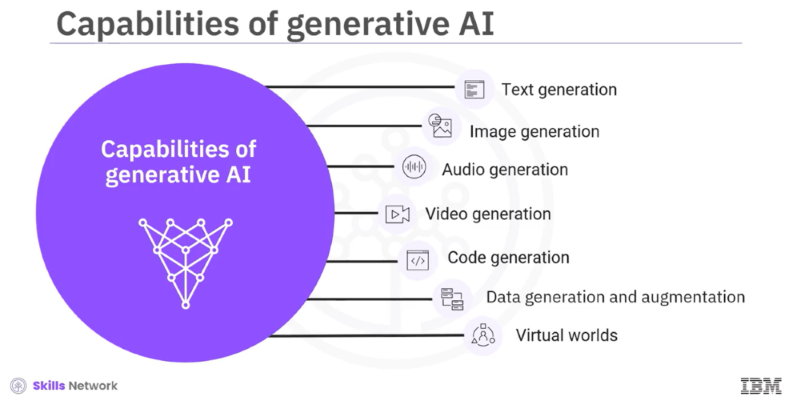
(source: IBM Corp.)
In this era, AI strategy isn't just about differentiation and competitive advantage—it's a resounding YES to unlocking productivity gains, seizing opportunities, and saving valuable time. However, we must tread carefully, as with great potential comes great risk. Businesses must navigate the new and heightened risks associated with Gen-AI, such as copyright violations and the proliferation of deepfakes, as vividly portrayed in "The Capture" (UK).
What lies at the heart of this transformative AI technology? At its core are advanced, intricately woven statistical models stemming from the broader realm of machine learning (ML), which further delves into subsets like deep learning. Deep learning, in particular, focuses on neural networks—a cornerstone of AI innovation.
As illustrated below, the AI landscape comprises a myriad of tools, evolving from its roots in machine learning (both supervised and unsupervised) to encompass deep learning, reinforcement learning, and the latest frontier—generative AI. This includes foundation models such as large language models and a spectrum of other cutting-edge advancements.
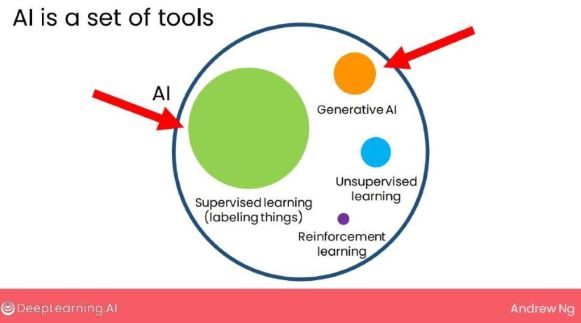
(source: DeepLearningAI)
What models enable Gen-AI to be so creative?
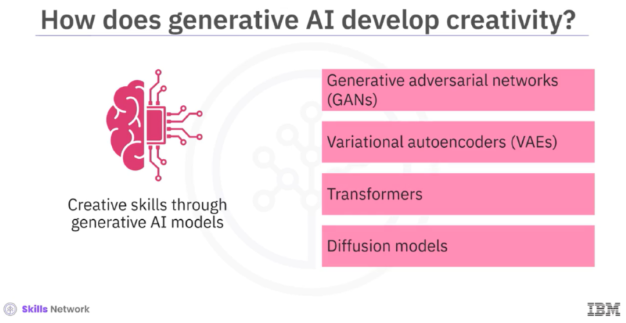
(source: IBM Corp.)